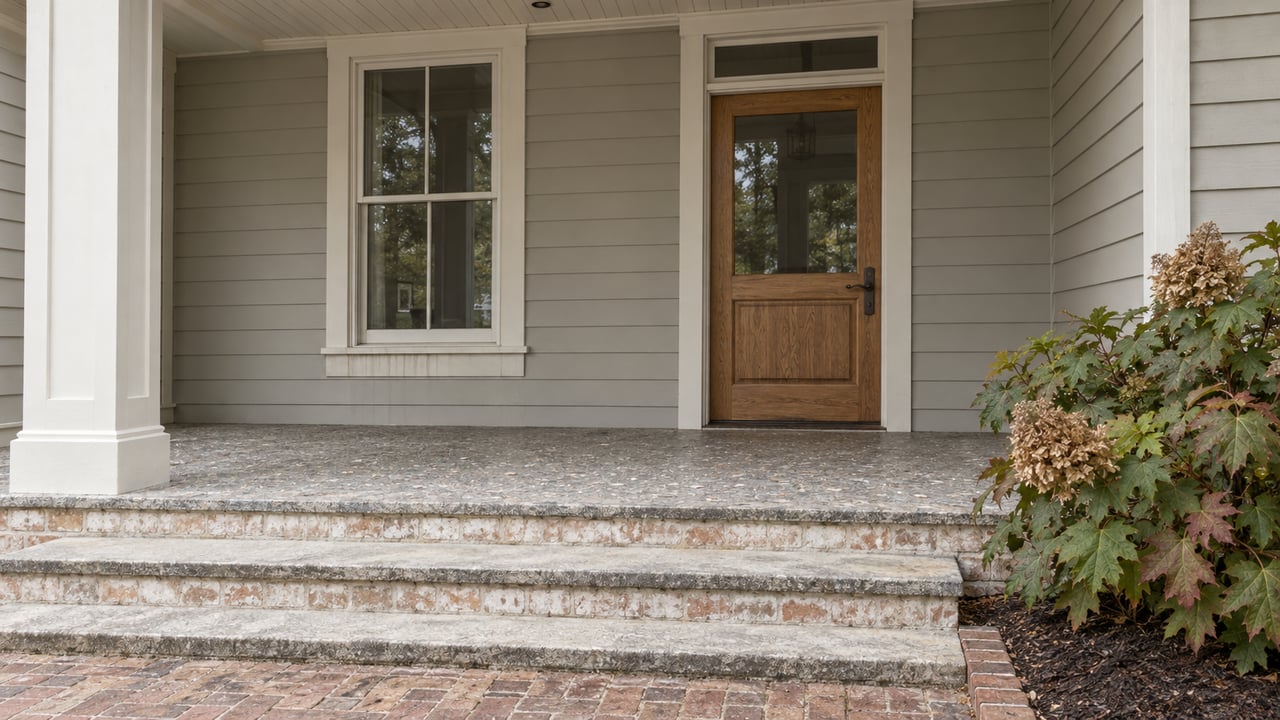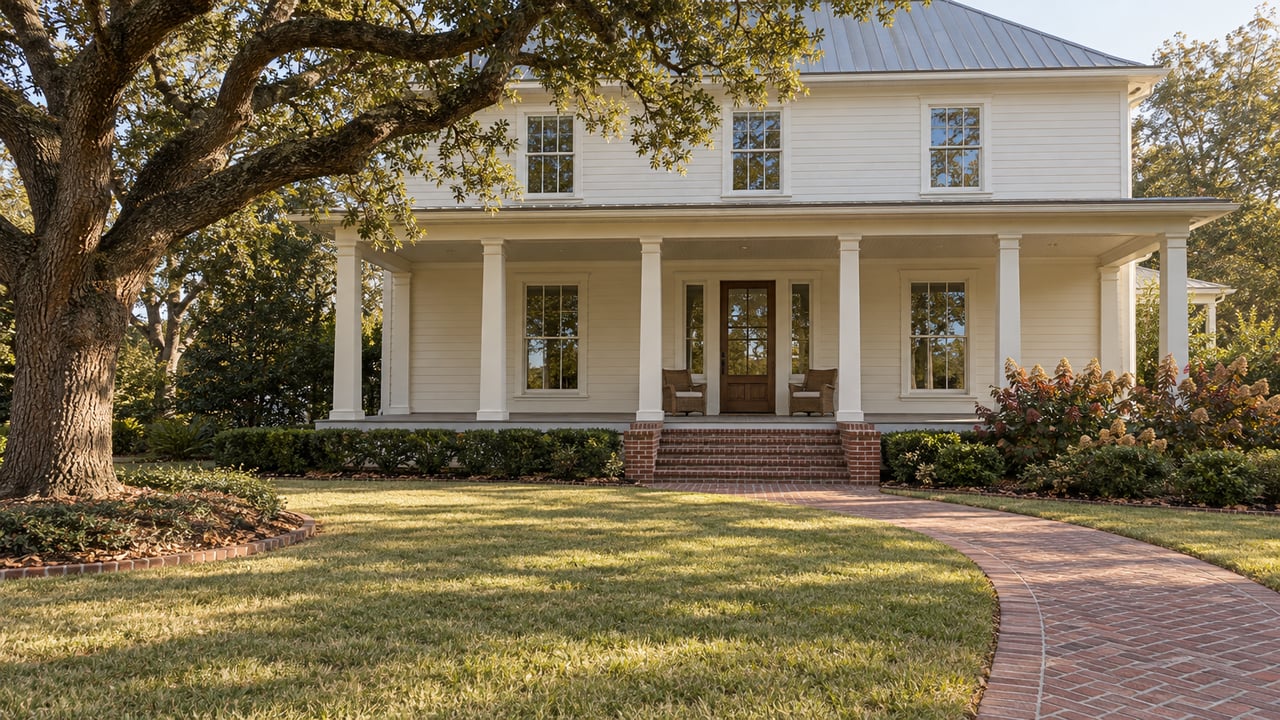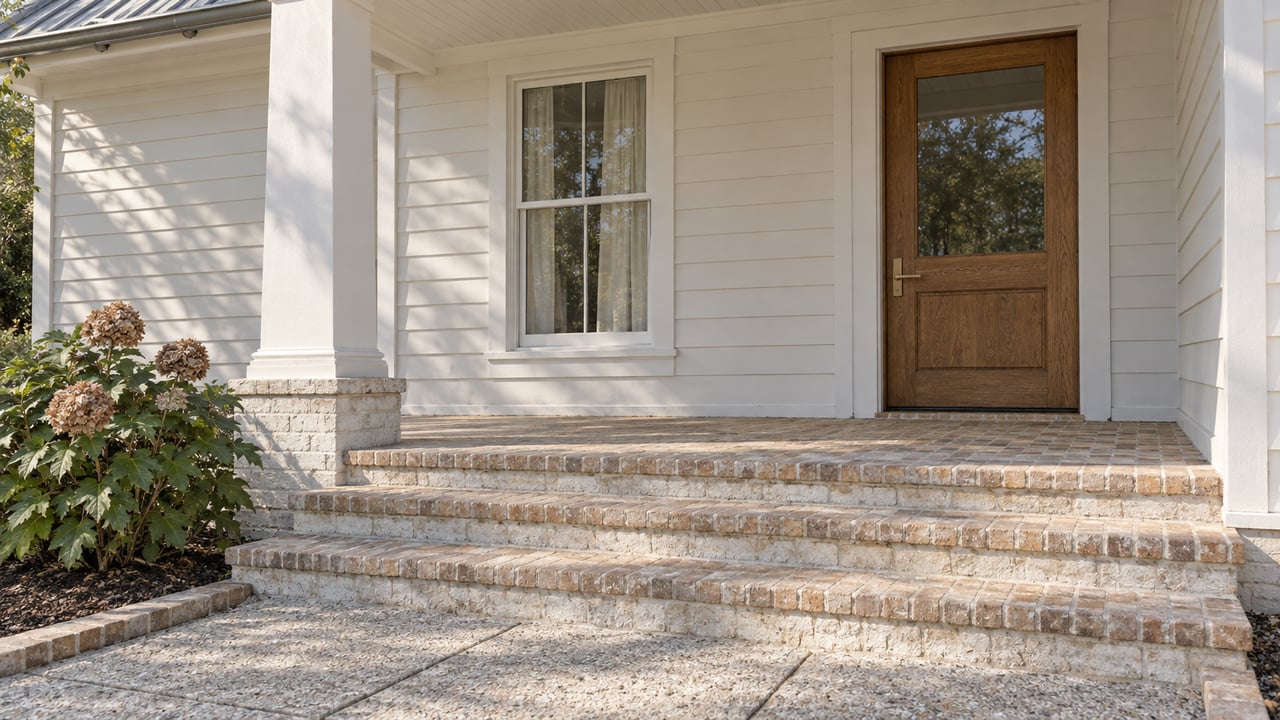
A buyer finds a cottage near Troup Square. The listing photos show hardwood floors, a walled courtyard, the kind of light that makes a real estate photo look like a postcard. Somewhere in the description or in a conversation with the listing agent, the word "Airbnb" comes up, maybe as a passing mention of what the current owner has been earning. The buyer runs the numbers, likes what they see, and writes an offer assuming that income transfers with the deed.
It doesn't. And the reason it doesn't is the actual story here, more than any square footage or asking price.
Savannah's short-term vacation rental program caps how many non-owner-occupied properties can hold a certificate in each historic ward, and STR Profit Map reports that, as of the most recent city and market data available in 2026, every eligible ward in the Downtown and Victorian districts has already hit that ceiling. A buyer cannot simply purchase a historic property and apply for a fresh certificate the way they would apply for a business license. Under Savannah's STVR regulations, they join a waitlist. The certificate that made the previous owner's spreadsheet work is not a feature of the house. It is a separate, scarce asset that does not automatically follow the sale.
The Cap Nobody Mentions Until It Matters
The rule itself is straightforward. Section 7.5 of Savannah's zoning ordinance, which took effect in 2019 while preserving a cap first adopted in 2017, limits non-owner-occupied short-term vacation rentals to 20 percent of residential parcels within each ward inside the Downtown and Victorian historic districts. A ward, in this context, is roughly a historic square and its surrounding block. Owner-occupied properties are exempt from the cap, which is part of why bed and breakfast homestays operate under a different set of rules entirely.
For years, this cap was background information, relevant mainly to investors doing detailed underwriting. That's no longer true. Current tracking of Savannah's STVR program shows the cap has been reached across the board in both districts, which means new non-owner-occupied applications in those wards are not approved on submission. They go onto a waiting list, maintained first come, first served, and the city contacts applicants only when an opening occurs in that specific ward. There is no published timeline for how long that takes, because it depends entirely on how often an existing certificate holder in that ward lets theirs lapse.
This changes what a buyer is actually purchasing when they look at a historic district property with rental upside. The house is the house. The certificate is the harder asset to get.
Why the Certificate Doesn't Follow the Deed, Except When It Does
Here is where the mechanism gets interesting, and where an informed buyer and an uninformed one end up in very different positions.
STVR certificates in Savannah are legally non-transferable. The city's ordinance states plainly that a certificate belongs to the holder, not the property, so a sale does not carry the permission over automatically. That sounds like it should end the conversation. A ward at its cap, a certificate that can't transfer, a waitlist with no fixed length. Under that reading, buying a certified property for its rental income looks nearly impossible.
The city built in one exception, and it's the detail that actually determines what these properties are worth. If a buyer applies for their own STVR certificate within six months of the title transfer, the city will not deny that application on ward-cap grounds, even if the ward is sitting above its 20 percent ceiling. The clock starts at closing, not at the day the buyer finally gets around to filling out paperwork. Miss the six-month window, and that same buyer is now just another name on the waitlist, indistinguishable from someone who bought a property with no rental history at all.
That single rule is why a property with an active, well-documented certificate commands more than an identical house next door without one. It's not the finishes or the courtyard. It's a legal grace period that only exists for six months after closing, and only if the buyer knows to use it.
What This Looks Like Across the Three Districts
The STVR overlay covers three historic districts, and the rules aren't identical across them.
| District | Cap status | Extra requirement | What it means for a buyer |
|---|---|---|---|
| Downtown Historic | At the 20% per-ward cap | None beyond the standard certificate process | New non-owner-occupied applications go on the waitlist unless the six-month transfer window applies |
| Victorian | At the 20% per-ward cap | None beyond the standard certificate process | Same dynamic as Downtown, ward by ward |
| Streetcar (formerly Mid-City) | No published cap, but restricted eligibility | TN-2 zoned parcels must have two or more dwelling units, with at least one owner-occupied | A single-family home on a TN-2 parcel generally cannot qualify at all, regardless of ward capacity |
The Streetcar district rule catches people off guard for a different reason. It isn't about scarcity. It's a structural requirement that some single-family homes simply cannot meet no matter how much documentation the buyer files. A duplex or triplex with an owner living on site has a path. A standalone cottage on the same street, zoned the same way, may not.
The Condo Wrinkle That Has Nothing to Do With the City
Buyers looking at condos inside the historic district face a second, entirely separate filter that sits above anything the city controls. Under Georgia's Condominium Act, an STVR applicant who owns a unit must produce the building's condominium declaration and show either that it explicitly permits leasing for less than 30 days, or that it contains no prohibition on the practice at all. If the declaration is silent in the wrong direction, or if it bans short-term leasing outright, the city's certificate process never gets the chance to matter. A building's own governing documents can end the conversation before a zoning question is ever asked.
This is worth confirming before writing an offer, not after. Declarations are recorded and available, and a five-minute read can save months of assuming a unit will do something its own building rules quietly forbid.
Before Writing the Offer
For anyone evaluating a historic district property with rental income as part of the math, a few steps belong in the process before the contract does.
- Check the property's current STVR status through the city's public rental portal rather than relying on a listing description or the seller's stated income.
- Request a Zoning Confirmation Letter from the city's Planning and Urban Design office, which carries a $50 fee and settles eligibility questions in writing rather than by assumption.
- If the certificate is active, verify its status and supporting records in writing before closing rather than relying on the seller’s account of its rental history.
- Calendar the six-month application deadline the day the deed transfers, not the day the buyer decides to start the paperwork.
- For condos, pull the condominium declaration and confirm short-term leasing isn't prohibited before assuming the unit qualifies at all.
- Budget for the actual fee structure, as Houfy reports: a $400 new application and a $250 annual renewal on top of any zoning confirmation costs, since these are separate from the certificate transfer question itself.
None of this replaces legal advice on a specific transaction, and property-specific facts can shift the answer in ways a general guide can't anticipate. It does mean a buyer walks into the offer knowing what they're actually negotiating for.
A Few Common Questions
Can I buy a historic district home without a certificate and just apply once I own it? Yes, but expect the waitlist rather than an approval, since new non-owner-occupied applications in capped wards are placed in queue rather than processed immediately.
Does the six-month rule guarantee my application will be approved? It guarantees the city won't deny the application specifically on ward-cap grounds within that window. Other requirements, like parking, occupancy limits, and building code compliance for bedroom count, still apply.
What if I plan to live in the property myself? Owner-occupied properties are exempt from the 20 percent cap entirely, which is a meaningfully different path than buying purely for non-owner-occupied rental income.
The number that actually determines what a historic district property is worth as an income property isn't printed on any listing sheet. It's the ward's cap status, the certificate's transfer history, and whether six months have already started ticking before a buyer even knows the clock exists.
If you're comparing historic district properties in Savannah, whether for a full-time home, a future rental, or something in between, Kimberly Pelletier can walk through what a specific address's zoning and certificate status actually look like before you write an offer. Let's Connect.
This article is general information, not legal, tax or financial advice. Consult a qualified professional about your situation.