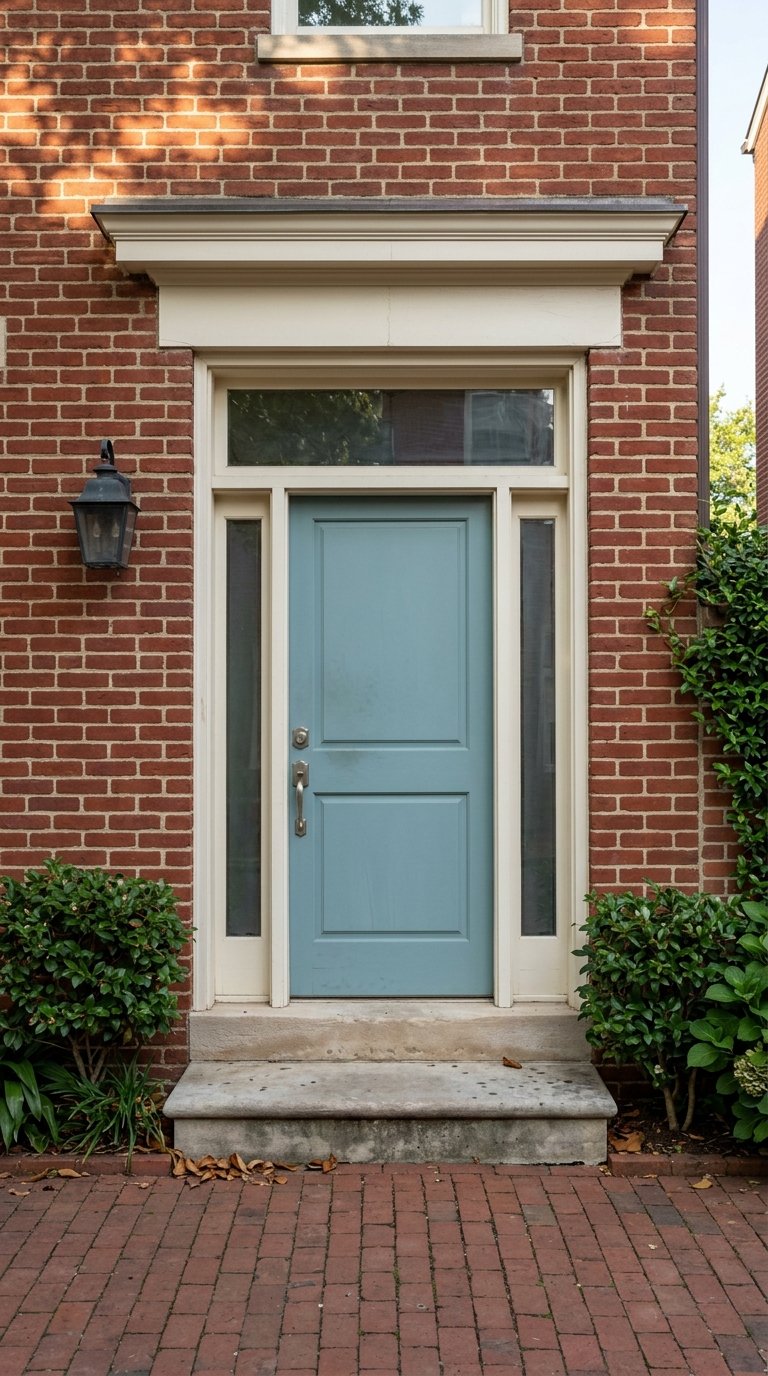
Are you drawn to Savannah’s historic charm, or does a newer community feel like a better fit for your daily life? This is one of the biggest decisions buyers face in the Savannah area, especially if you are balancing character, convenience, budget, and upkeep. The good news is that both options can work beautifully, depending on what matters most to you. Let’s break down what historic Savannah living versus newer communities really looks like.
Historic Savannah offers a distinct lifestyle
Living in one of Savannah’s historic districts often means choosing atmosphere and location first. The city’s historic areas are closely tied to Savannah’s famous squares, and downtown is designed in a way that makes it especially easy to experience on foot.
For many buyers, that creates a more urban day-to-day feel. You may find parks, restaurants, cultural spots, and errands closer together than they are in a more suburban neighborhood. If you want to step outside and feel connected to the heart of Savannah, this is often the appeal.
Historic homes come in many forms
One common myth is that historic Savannah means one type of home. In reality, the market includes condos, townhomes, and single-family homes, with public listing examples ranging from around $420,000 for a condo-sized property to about $795,000 for a 2,052-square-foot home, all the way up to landmark properties near $4.995 million.
That wide range matters. It shows that historic living is not defined by price alone. Location, condition, size, and the type of property can influence value just as much as the historic designation itself.
Walkability often comes with tradeoffs
The charm of historic Savannah is real, but so are the practical details. Parking is part of the equation downtown, where most spaces are metered.
The City of Savannah notes that visitor day passes are available for on-street parking, and on-street parking is free after 5 p.m. on weekdays and all day on Saturdays, Sundays, and holidays. The city also maintains a fare-free downtown transit system for the Historic District, which can add convenience if you prefer to leave your car parked.
Historic districts have more exterior rules
If you love the idea of restoring or updating a historic home, it is important to understand the review process before you buy. In Savannah’s local historic districts, many exterior changes and most renovations visible from the public right-of-way require preservation review and a Certificate of Appropriateness.
Local historic districts identified by the City of Savannah and the Metropolitan Planning Commission include the Savannah Downtown Historic District, Victorian Historic Overlay District, Streetcar Historic Overlay District, and Cuyler-Brownville Historic Overlay District. These rules are meant to protect visual character, but they can also mean more planning time and less flexibility with exterior work.
Renovation timelines can be less flexible
In a newer neighborhood, you may have fewer steps before making exterior changes. In a historic district, exterior improvements often involve standards for design and visual compatibility.
That does not make historic ownership harder for everyone, but it does make it more structured. If you enjoy preserving character and do not mind a more careful approval process, that may feel worthwhile. If you prefer quick exterior updates, a newer community may feel easier.
Flood review matters in Savannah
Flooding is one of Savannah’s most persistent natural hazards, so this topic deserves real attention whether you buy historic or newer. The City of Savannah encourages buyers to check flood determinations and insurance implications before purchasing.
This is especially important in low-lying coastal areas, where conditions can vary from one parcel to the next. Even if two homes are close to each other, their flood considerations may not be the same.
Parcel-by-parcel research is important
For flood-sensitive buyers, broad assumptions are not enough. You will want to review the property’s flood designation, estimate insurance costs, and look at any floodplain-related documents before going under contract.
Savannah also notes that many owners may qualify for a 25% National Flood Insurance Program discount through the city’s Community Rating System. Even so, the smartest move is to evaluate each property individually.
Newer communities focus on convenience and amenities
If historic Savannah is about location and character, newer communities often center on comfort, amenities, and simpler day-to-day routines. Around Savannah, especially in areas like Pooler, many newer neighborhoods highlight new construction, garages, and shared features that support a more suburban lifestyle.
That can mean amenities such as pools, clubhouses, fitness centers, trails, dog parks, playgrounds, athletic courts, gated entrances, and even golf or lagoon features. For buyers who want recreation close to home, that package can be a major advantage.
Pooler-area communities show the pattern
Communities reviewed in the Savannah area show a clear trend. Savannah Quarters promotes new construction near Savannah with features such as a golf course, swimming pool, splash park, clubhouse, park, trails, tennis, and lake or pond features.
The Gates at Savannah Quarters adds features like lagoon views, catch-and-release fishing, a zero-entry pool, clubhouse, playground, dog park, and RV storage. Godley Station lists amenities such as a clubhouse, fitness center, pool, athletic courts, playground, and dog park.
Newer neighborhoods usually feel more suburban
Newer communities in and around Savannah often appeal to buyers who want a more predictable suburban rhythm. Many also market convenient access to I-16, the airport, shopping, dining, and downtown Savannah.
That can be a strong fit if you commute regularly, want easier parking, or prefer a neighborhood where homes and lots follow a more modern layout. In that setting, walkability may be lower than in historic Savannah, but convenience may be higher for your routine.
Pricing differs, but overlap exists
Price is one of the biggest questions buyers ask when comparing historic Savannah with newer communities. The answer is not as simple as saying one is always more expensive.
Historic district listings show a very wide range, and newer construction around Pooler also spans several price points. That means your budget may still give you options on both sides of the comparison.
Recent price signals in newer communities
Recent public listing snapshots in Pooler and Savannah Quarters included homes around $307,000, $323,000, $399,000, $449,900, and $450,000. Higher-end examples reached about $730,000 and $1.19 million in Westbrook at Savannah Quarters.
At the time of the reviewed search, brand-new construction in Pooler showed a median listing price of $390,000. For many buyers, that creates a clearer entry point into newer construction than they expect.
Monthly costs deserve a closer look
A newer home does not always mean a lower overall cost of ownership. While newer construction may reduce some maintenance friction and offer newer systems, community costs often include HOA or POA dues.
Recent examples in Pooler and Savannah Quarters showed association figures such as $146 per month and $521. Those numbers are a good reminder to compare your full monthly budget, not just your mortgage payment.
Historic costs can look different
In a historic property, you may not have the same type of amenity dues, but you could face different maintenance priorities, more renovation planning, or insurance questions depending on the parcel. The cost picture is simply structured differently.
That is why the best comparison is not historic versus new in the abstract. It is the specific home, in the specific location, with the specific monthly and long-term costs attached.
How to choose the right fit for you
When buyers compare historic Savannah living versus newer communities, the right answer usually comes down to daily lifestyle. What do you want your mornings, weekends, commutes, and home projects to feel like?
Historic Savannah often fits buyers who value walkability, architectural character, and immediate access to downtown life. Newer communities often fit buyers who want garages, newer systems, private amenities, and a more suburban pace.
Questions worth asking yourself
Before you decide, think through a few practical questions:
- Do you want to walk to more of your daily destinations?
- Are you comfortable with exterior review rules in a historic district?
- How important are amenities like a pool, fitness center, or trails?
- Would you rather trade some charm for newer systems and easier parking?
- Are HOA dues acceptable if they support the lifestyle you want?
- Have you reviewed flood designation and insurance costs for the exact property?
Why local guidance matters
In Savannah, broad real estate advice only gets you so far. Historic district boundaries, preservation rules, flood considerations, and community fee structures can all change how a home feels to own over time.
That is why local context matters so much. Whether you are relocating, buying your first home, or trying to narrow your search between downtown Savannah and newer communities near Pooler, a clear side-by-side strategy can save you time and stress.
If you want help comparing historic homes, newer construction, or both, Kimberly Pelletier offers the local insight and steady guidance to help you make a confident move.
FAQs
What is the main difference between historic Savannah living and newer communities in Savannah?
- Historic Savannah typically offers walkability, architectural character, and closer access to downtown squares, parks, and cultural sites, while newer communities often focus on garages, newer construction, and shared amenities.
What should buyers know about historic district rules in Savannah?
- In local historic districts, many exterior changes and most renovations visible from the public right-of-way require preservation review and a Certificate of Appropriateness.
Are homes in Savannah’s historic districts always more expensive than newer homes?
- No. Public listing examples show a wide range in historic areas, which means price depends on location, condition, property type, and size, not just historic designation.
What amenities are common in newer communities near Savannah?
- Many newer communities around Savannah and Pooler feature amenities such as pools, clubhouses, fitness centers, trails, dog parks, playgrounds, athletic courts, golf features, and gated entries.
What parking should buyers expect in historic downtown Savannah?
- The City of Savannah notes that most downtown spaces are metered, with visitor day passes available for on-street parking, free on-street parking after 5 p.m. on weekdays, and free parking all day on weekends and holidays.
What should flood-conscious buyers check before buying in Savannah?
- You should review the property’s flood designation, insurance estimate, and any floodplain-related documents before going under contract, since flood risk can vary by parcel.